
“What is genuine leather?” is one of the most common questions among people who want to buy quality products without falling for misleading claims or imitations. And while it may sound simple, identifying real leather can be surprisingly challenging—especially today, when synthetic alternatives can look almost identical.
So how can you tell if what you’re buying is truly worth the price? What signs clearly distinguish authentic leather from artificial materials? Understanding these differences is key to making a smart, confident purchase.
What Is Genuine Leather and Why Is It So Valuable?
Genuine leather is a natural material made from animal hide that goes through specialized tanning processes to become strong, flexible, and long-lasting. Unlike synthetic leather, genuine leather develops character over time, shows unique natural variations, and can last for decades when properly cared for.
Why is it so important?
-
Because it guarantees higher quality
-
Because it ages beautifully and gains elegance over time
-
Because it offers superior resistance to wear
-
Because it is breathable and comfortable
-
Because every piece is truly one of a kind
Genuine leather is widely used in handbags, wallets, shoes, jackets, furniture, chairs, belts, and premium accessories. Understanding what genuine leather really is helps you make smarter, more informed purchasing decisions.
Essential Characteristics of Genuine Leather
These are the key signs every buyer should learn to recognize:
1. Natural, irregular texture
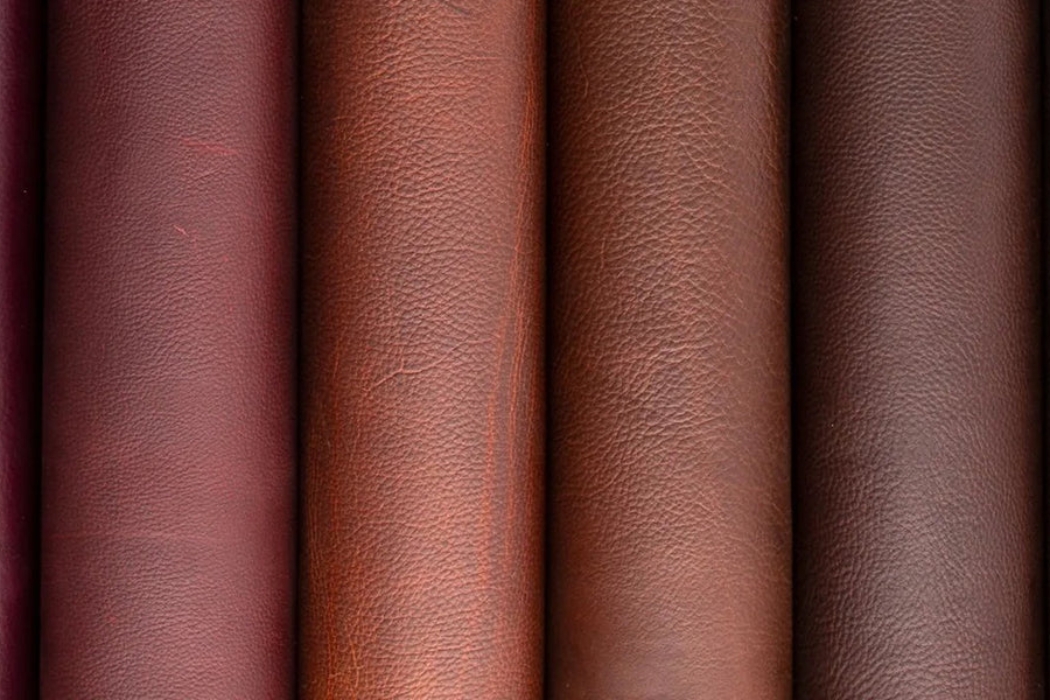
Authentic leather is never perfectly uniform. It shows irregular pores, subtle tone variations, and small natural marks that reveal its organic origin. Synthetic leather, by contrast, usually has repetitive, identical patterns.
2. Distinctive natural scent
Genuine leather has a rich, organic smell that is unmistakable. It doesn’t smell like plastic or chemicals, as imitations do. The classic “leather scent” is one of the most reliable indicators.
3. Elasticity and flexibility
When you bend genuine leather, its color may change slightly and then return to normal. Synthetic leather often cracks, stiffens, or keeps the crease mark.
4. Superior durability
A genuine leather product can last 10 to 20 years or more with proper care. Imitations typically wear out within months or a few years.
5. Natural aging (patina)
Over time, real leather develops a unique patina—a rich, elegant sheen that deepens with use. Faux leather never achieves this effect and often deteriorates instead.
These characteristics make genuine leather not just a material, but a long-term investment in quality, comfort, and authenticity.
Types of Genuine Leather
To fully understand what genuine leather is, it’s important to know its main variations:
✨ Full Grain Leather
The highest-quality and most durable type of leather.
It preserves the outermost layer of the hide without sanding or correction.
Offers exceptional longevity.
Develops a rich, beautiful patina over time.
✨ Top Grain Leather
Very similar to Full Grain, but lightly sanded to remove imperfections.
Softer and more uniform in appearance.
Commonly used in luxury leather goods.
✨ Suede
Soft, velvety leather with a refined look.
More sensitive to water and stains.
Popular for shoes and fashion accessories.
✨ Nubuck
Similar to suede, but made from the outer layer of the hide.
More durable and resistant.
Features a smooth, “peach-like” texture.
✨ Split Leather
Made from the lower layers of the hide.
More affordable and less durable.
Commonly found in mid-range leather products.
Understanding these types helps you identify quality, choose the right leather for your needs, and invest wisely in products that truly last.
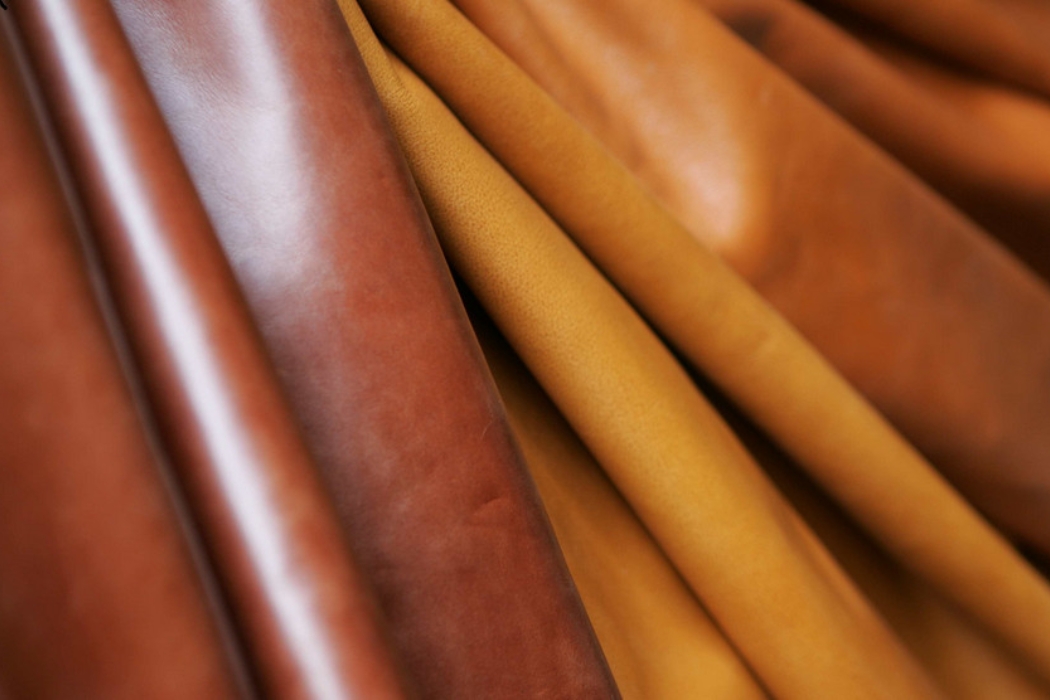
If you want a product that lasts for decades, always choose full-grain leather.
How to Identify Genuine Leather Step by Step
Here’s a simple, proven method you can use:
1. Check the texture
-
Look for irregular pores.
-
Run your fingers over the surface to feel natural variations.
-
Press it gently—real leather slightly changes tone when compressed.
2. Smell the material
-
Genuine leather has a distinct, natural leather scent.
-
If it smells like plastic or chemicals, it’s synthetic.
3. Test flexibility
-
Real leather bends easily and returns to its original shape.
-
Fake leather feels stiff or overly soft and spongy.
4. Examine the edges
-
Genuine leather edges look fibrous and natural.
-
Synthetic leather usually has smooth, plastic-like edges.
5. Check the label
-
Look for a leather symbol or clear leather designation.
-
Terms like “PU leather,” “synthetic leather,” or “bonded leather” mean it’s not real leather.
5 Popular Methods to Verify Authentic Leather
Method #1: The Finger Test
Press your finger firmly against the surface. Genuine leather will slightly deform and then recover; synthetic leather usually stays flat.
Method #2: The Heat Test
Bring the material close to a heat source (never direct flame). Real leather will not melt or release a chemical smell, unlike synthetic materials.
Method #3: The Water Absorption Test
Place a small drop of water on the surface:
-
Genuine leather absorbs it slowly.
-
Synthetic leather keeps the drop on the surface.
Method #4: Stitching Inspection
Authentic leather products typically feature stronger, more detailed stitching with slight natural irregularities that reflect craftsmanship.
Method #5: Price Analysis
If the price seems too good to be true, it probably is. Quality leather comes at a fair cost due to the material and craftsmanship involved.
Frequently Asked Questions
1. What is genuine leather exactly?
Genuine leather is natural leather obtained from animal hides, processed through tanning to make it durable, flexible, and long-lasting.
2. How can I tell if a product is real leather?
Check the texture, smell, flexibility, water absorption, and any manufacturer certifications. Authentic leather shows natural variations and absorbs moisture slowly.
3. Does genuine leather last longer than synthetic leather?
Yes. With proper care, genuine leather can last for decades, while synthetic materials tend to wear out much faster.
4. Are all types of genuine leather the same?
No. Full-grain leather is the highest quality and most durable, while split leather is more affordable and less resistant.
5. How should I care for genuine leather products?
Clean with a soft cloth, condition every 2–3 months, and avoid prolonged exposure to direct sunlight or excessive moisture.
Conclusion
Now that you know what genuine leather is and how to identify it correctly, you’re ready to invest in products with real quality, durability, and long-term value. Understanding its characteristics, types, and verification methods empowers you to spot imitations and make smarter, more confident purchasing decisions.